The Kitchen Knows Something Your NOC Doesn't: Restaurant Discipline for IT Operations
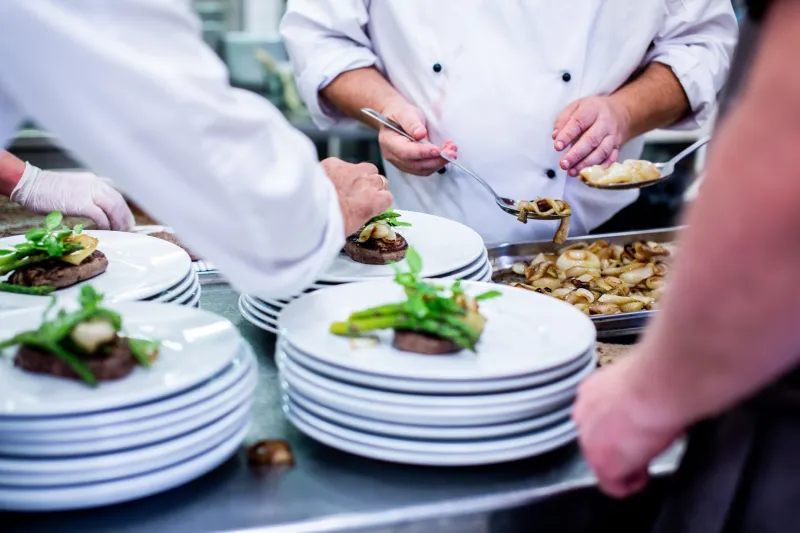
There is an uncomfortable comparison that rarely gets made in enterprise IT: a busy restaurant kitchen and a network operations center face nearly identical pressures — unpredictable volume, high stakes, tight timing, and no tolerance for errors — yet only one of them has spent a century engineering a repeatable system for surviving the rush.
The restaurant industry figured out long ago that heroics are not a business model. IT, particularly in American mid-market companies, still leans on them nightly. It is worth asking what a dinner service knows that your on-call rotation does not.
Mise en Place Is Change Management Done Right
Every line cook begins shift prep with mise en place — literally, "everything in its place." Ingredients portioned, pans staged, station verified before the first order fires. Nothing about the dinner rush is improvised.
Contrast that with a typical change window. How many IT teams verify the full rollback path, confirm dependencies, and stage the validation checklist before the maintenance begins, rather than drafting it mid-incident? A kitchen would never start service with an unverified station; IT teams routinely push changes with half the prerequisites "assuming it'll be fine."
The takeaway for team leads: treat every change ticket like a station setup. A short, mandatory pre-flight checklist — dependency map, rollback plan, named approver, validation steps — costs fifteen minutes and prevents the Saturday-night outage that eats a week of goodwill.
Shift Handoff: The Ticket That Never Gets Dropped
Ask any server about the transition between lunch and dinner shifts and you will hear about a structured handover: what is 86'd, what tables need attention, what the kitchen is behind on. It takes five minutes and it is non-negotiable.
IT handoffs, by contrast, often amount to a Slack message that says "nothing on fire" — or worse, nothing at all. The result is the classic American enterprise phenomenon: the overnight or weekend shift discovering at 7 a.m. that a degraded link has been quietly failing since Thursday.
A kitchen-grade handoff includes three items, every time:
- Open risks — anything degraded, pending vendor response, or in a fragile state.
- In-flight changes — what was touched, what still needs validation.
- Watch items — trends in the queue that have not yet become incidents.
Formalize it in a shared template. Review it live, voice to voice, even if it feels ceremonial. The five-minute cost is trivial against the cost of a dropped thread during an outage.
Staffing the Line Instead of Staffing the Hero
Restaurants staff to the expected rush and cross-train so any cook can work any station during a crunch. IT tends to do the opposite: concentrate knowledge in one or two irreplaceable specialists and discover the single point of failure the hard way when that person resigns, gets sick, or simply takes a vacation.
Team leads should borrow two practices directly:
- Station rotation. Rotate primary ownership of systems — backups, identity, networking — on a monthly cycle. It spreads knowledge, surfaces documentation gaps, and prevents burnout from concentrating all pager weight on one person.
- The sous-chef principle. Every critical process gets a documented second who can execute it. If only one person can restore the domain controllers, your DR plan is a rumor, not a plan.
Pre-Service Lineup: The Standup That Actually Works
Before every dinner service, the chef holds a lineup: specials, 86'd items, expected volume, reservations of note. Ninety seconds, whole team, everyone aligned.
Most IT teams that hold daily standups let them drift into status theater. A lineup-style huddle instead asks only: what is at risk today, what changed overnight, what are we watching? It is shorter, sharper, and it front-loads the day's priorities before the queue does it for you.
The Objection, Answered
The predictable pushback: "IT work is more complex than cooking." In some respects, yes. But complexity is an argument for structure, not against it. The restaurant industry's systems exist precisely because the work is chaotic, demand is unpredictable, and the margin for error is zero. That description fits enterprise operations perfectly.
Teams that adopt these disciplines report fewer dropped handoffs, shorter incidents, and — quietly, most importantly — people who stop dreading the pager. The kitchen figured out a century ago that consistency beats heroism. There is no reason your operations team should still be learning it the hard way.