The Seven Minutes That Cost a Weekend: Rebuilding the IT Shift Handoff

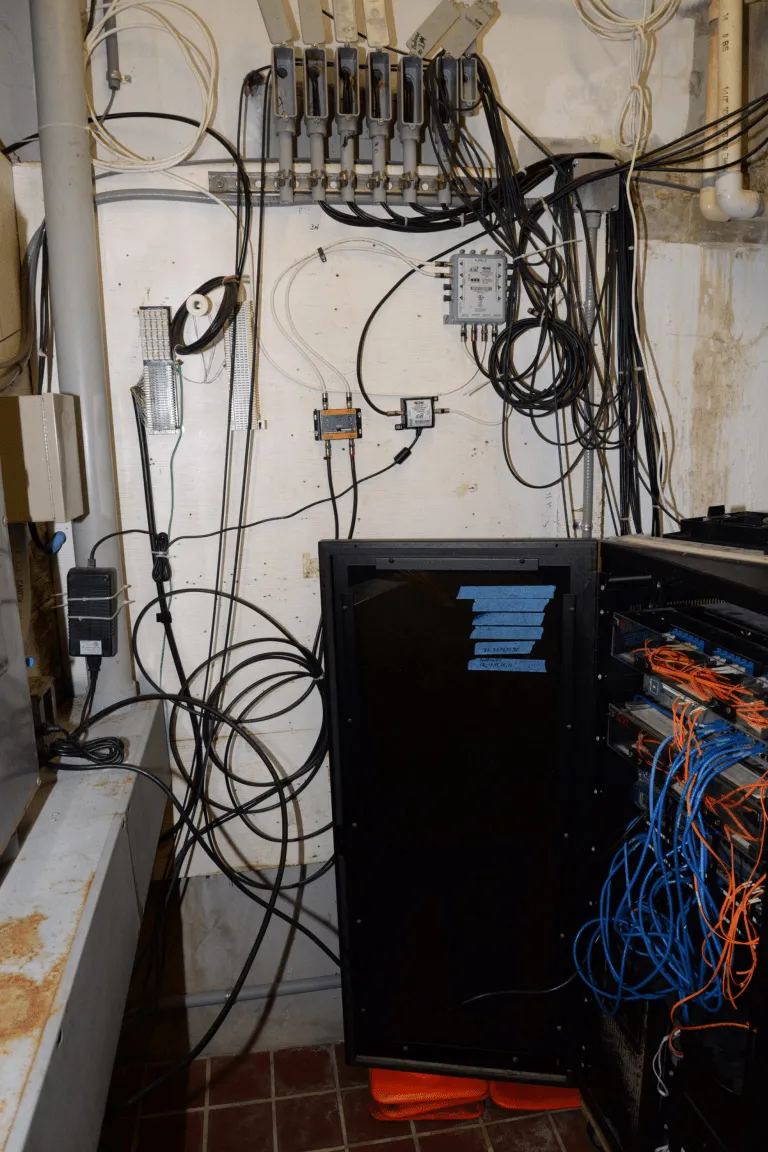
Photo: Steve Jurvetson, CC BY 2.0, via Wikimedia Commons
At 6:45 a.m. on a Tuesday, the overnight network operations center passes to the day shift. The outgoing engineer has been watching a circuit flapping since 2 a.m. A vendor case is open. A maintenance window is scheduled for Thursday. A business unit director has been promised an update by noon. The handoff takes seven minutes. The incoming engineer hears the words circuit flapping, writes a note, and moves on.
By Friday, the circuit is still flapping. The vendor callback was missed because the case number was never transferred. The maintenance window was postponed because the change owner was not told. The director is angry because the noon update never arrived. Nobody made a dramatic mistake. The handoff simply failed to carry the context that mattered.
A Control That Rarely Gets Audited
Shift handoff is a control, not a courtesy. It is the process that keeps an incident moving when the person who understands it goes home. In security operations, help desk, and infrastructure teams, the handoff is often the weakest link in an otherwise disciplined workflow.
Most organizations audit tickets. Few audit the transfer of knowledge between shifts. That gap is where small problems become weekend outages.
Four Failure Patterns
The first pattern is the verbal-only handoff. The outgoing engineer says everything out loud. The incoming engineer nods. Nothing is written down. If the incoming engineer is interrupted, the context disappears.
The second pattern is the ticket-only handoff. The outgoing engineer points to the queue. But the ticket may contain only the initial symptom, not the current state, the vendor contact, or the promised next step.
The third pattern is the open-incident blind spot. Teams discuss the tickets that were closed during the shift and forget the ones that remain open. The most dangerous item is often the one that has been open the longest.
The fourth pattern is the political omission. A ticket may be technically routine but politically sensitive. A vice president is watching. A customer has been promised a fix. A vendor relationship is fragile. That context rarely makes it into the ticket, but it changes how the next shift should communicate.
What Must Cross the Gap
A useful handoff carries six categories of information. It lists open incidents with severity, current state, next action, owner, and deadline. It lists vendor cases with case numbers, contacts, promised callbacks, and escalation paths. It lists maintenance windows, change freezes, and rollback contacts. It captures known errors and workarounds. It flags access or credential issues that may block progress. And it records the political context: who is watching, what has been promised, and what should not be said without approval.
A Fifteen-Minute Template
A practical handoff does not require a new platform. A shared document or a dedicated ticket field is enough. The outgoing shift prepares it before the end of the shift. The incoming shift reads it back.
The template can be six lines. Open incidents: identifier, severity, current state, next action, owner, and deadline. Vendor cases: vendor, case number, contact, promised callback, and escalation path. Maintenance and changes: window, systems affected, rollback owner, and approver. Known errors: symptom, workaround, and permanent fix status. Political context: stakeholders, promised updates, and communication constraints. Acknowledgment: outgoing name, incoming name, time, and a short read-back note.
The read-back is the discipline. The incoming engineer summarizes the top three risks in their own words. If the summary is wrong, the outgoing engineer corrects it before leaving. That single step catches most omissions.
Keeping It Light Enough to Survive
The handoff must be short enough to survive a busy shift. Fifteen minutes is a reasonable ceiling for most teams. The outgoing shift owns preparation. The incoming shift owns the read-back. The document is archived with the shift date and reviewed weekly for recurring gaps.
Managers should resist the urge to turn the handoff into a status report for leadership. It is an operational control. Its purpose is continuity, not performance theater.
The Weekend You Prevent
The value of a good handoff is invisible when it works. A vendor callback is returned. A maintenance window is confirmed. A director receives the promised update. The circuit stops flapping. Nobody writes a thank-you note.
But the cost of a bad handoff is easy to see. It is the Saturday escalation call, the missed callback, the angry customer, and the post-incident review that concludes the team needs better communication. The better communication is not a slogan. It is a seven-minute process with a written record and a read-back. Teams that treat it as a control will spend fewer weekends proving the point.