The Basement Barbell: Why Your Home Lab Weighs More Than a Certification in the Interview Room

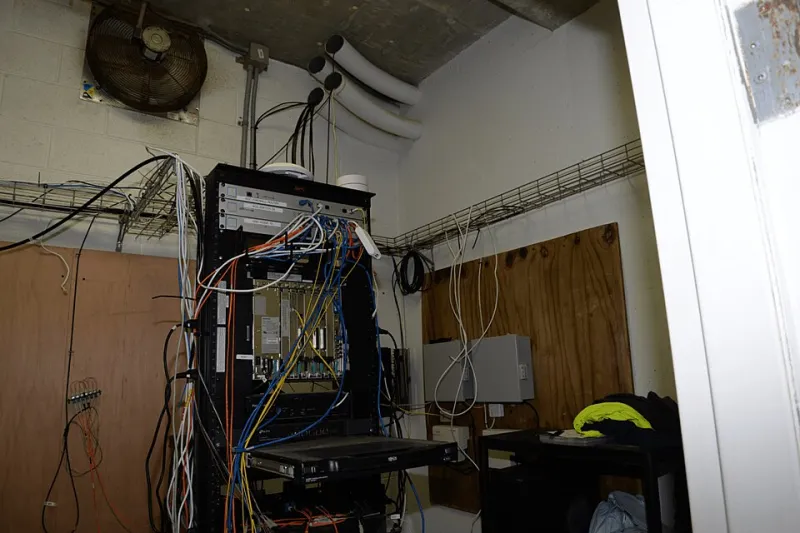
Photo: VJFelix, CC BY-SA 4.0, via Wikimedia Commons
Somewhere between the résumé keyword scan and the panel interview, a quieter evaluation takes place. A hiring manager asks a seemingly casual question — tell me about anything you run at home — and leans back. The answer, seasoned interviewers say, tells them more about a candidate than the certification logos printed at the bottom of the résumé.
The home lab has become enterprise IT's unofficial second transcript. It can't be earned in a weekend boot camp, it can't be inflated by a test-prep provider, and it changes the tone of an interview the moment it comes up in conversation.
What the Exam Measures Versus What the Lab Reveals
Certifications remain valuable currency, particularly for candidates breaking into the field or clearing HR filters that screen for CompTIA, Cisco, or Microsoft credentials. Nobody in a hiring position is arguing that a Security+ or CCNA is worthless.
But interviews aren't proctored exams. They're conversations about judgment, and judgment is precisely what a lab demonstrates. A certificate proves you could answer questions about a technology on a given afternoon. A lab proves you voluntarily spent evenings and weekends building something, breaking it, and rebuilding it — without a manager assigning the task or a deadline forcing your hand.
That distinction matters because enterprise work is mostly self-directed troubleshooting. The engineer who documents their own Proxmox cluster's failure modes has rehearsed the exact mental motion required when a production node misbehaves at 2 AM.
Three Things Interviewers Say They're Really Listening For
Talk to US-based recruiters and technology leaders, and a few consistent themes emerge about what a lab conversation actually tests.
Persistence under ambiguity. When a candidate describes troubleshooting a DNS resolution problem in their own environment — with no vendor support ticket and no Stack Overflow answer that quite fits — the interviewer hears evidence of someone who doesn't stall when documentation runs dry. That's the core skill of operations work.
Operational maturity, not just tinkering. There's a difference between a candidate who says "I have a bunch of Raspberry Pis" and one who says "I run a three-node cluster with automated backups, monitoring dashboards, and a documented recovery procedure I've actually tested." The second candidate thinks like an administrator. Recruiters notice vocabulary shifts: words like redundancy, baseline, change, and rollback signal professional habits forming outside of work hours.
Genuine curiosity. Technology stacks change faster than any curriculum can track. Hiring managers can't train hunger, but they can detect it. A candidate who self-hosted a service six months before it appeared on their employer's radar demonstrates the kind of forward-leaning learning that keeps teams current.
The Résumé Translation Problem
Here's where many candidates fumble. They either omit the lab entirely — treating it as unprofessional — or they list it in a way that undersells the operational thinking behind it.
The fix is translation. A home lab entry on a résumé should read like a production project, because in every way that matters to an employer, it is one. Compare:
- Weak: "Home lab with Raspberry Pi and Linux servers."
- Strong: "Designed and maintain a virtualized home environment (Proxmox, Docker, pfSense) with automated backups, Uptime Kuma monitoring, and a tested disaster-recovery runbook."
The second version contains evidence of skills employers pay for: virtualization, containerization, network segmentation, monitoring, and documentation. None of it required an enterprise budget.
In interviews, the same principle applies. When asked about a professional challenge, candidates can legitimately draw on lab experience — "I've never managed a production Exchange migration, but I ran a mail server at home for two years and learned exactly why people backup before they upgrade." Honest framing plus transferable insight beats an empty answer.
Know When It's Not Enough
A fair caveat: the home lab is a complement to credentials and experience, not a substitute. Candidates targeting regulated industries — healthcare, banking, federal contracting — will find that certifications and clearance eligibility still gate the conversation. A lab full of self-signed certificates and default passwords can also raise flags if discussed carelessly; interviewers in security roles are listening for whether your home environment reflects the discipline you'd bring to theirs.
The strongest positioning pairs the two: the certification opens the door, and the lab fills the room with proof that the learning never stopped at the exam.
Build the Habit, Then Build the Narrative
For early-career professionals, the advice from hiring managers is consistent: pick one environment, run it for at least a year, and document what breaks. A single, well-maintained lab tells a better story than six abandoned projects.
For mid-career professionals, the lab becomes a narrative device — a way to demonstrate leadership behaviors like documentation, capacity planning, and cost consciousness (yes, interviewers notice when you mention your power bill and hardware budget).
The job market rewards what can be verified. A certification is verified by a testing center. A home lab is verified by the specificity of the story you tell about it. Candidates who treat their basement rack like a professional portfolio — documented, maintained, and rehearsed — walk into interviews holding evidence no exam can issue.