Trading the Terminal for the Toolbelt: Where Enterprise IT's Veterans Are Going Instead

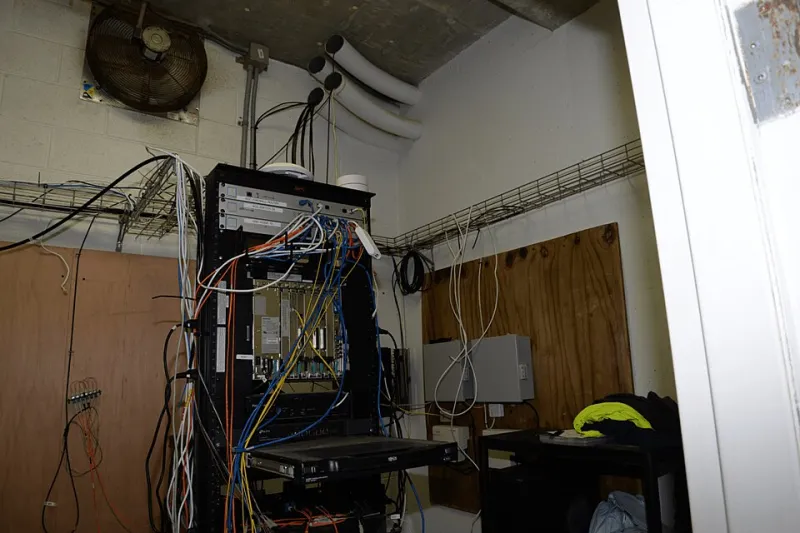
Photo: Klein Tools, CC BY-SA 4.0, via Wikimedia Commons
The resignation letter was short, but the decision behind it had been compiling for a decade.
That is how one former senior systems administrator, who spent fourteen years keeping a healthcare network running across three states, describes his exit from enterprise IT. Today he holds an electrical contractor's license in Ohio. His on-call rotation is gone. His compensation, once you account for overtime he controls rather than a pager that controls him, is roughly the same. His stress level, he says, is not comparable at all.
He is not an outlier so much as a data point in a quiet trend that rarely shows up in industry surveys: experienced infrastructure professionals leaving information technology entirely — for licensed trades, for aviation, for work where the problems terminate when the shift does.
The Math That No One Wants to Run
On paper, the comparison seems lopsided in IT's favor. The Bureau of Labor Statistics continues to project solid demand for network and computer systems occupations, and median wages for senior infrastructure roles in major US metros routinely clear six figures. But medians hide the mechanics of how that money actually arrives.
A master electrician in a mid-sized market can bill $95 to $140 per hour. An airline first officer at a regional carrier, after the recent contract upheavals that reshaped pilot pay, can out-earn many senior engineers within a handful of years — without carrying the title inflation, certification treadmill, or retraining cycles that IT demands every eighteen months.
Then there is the depreciation problem. An IT skill set is a depreciating asset. Kubernetes versions age out, cloud platforms reorganize their exam blueprints, and last decade's virtualization expertise is this decade's trivia question. A journeyman plumber's pipe threading does not get deprecated. A commercial pilot's instrument rating does not get migrated to a new vendor. The trades and aviation sell skills that compound rather than expire.
The 3 AM Variable
Ask departees what tipped the balance and the answers converge on a single theme: the page.
Enterprise infrastructure does not sleep, and neither, formally, do the people who run it. On-call compensation has become a genuine negotiation flashpoint across the industry, but for many veterans the issue is not the stipend — it is the permanent low-grade activation that comes with it. Sleep studies aside, the cognitive cost of knowing that a failed storage array at 2:47 AM belongs to you is one that no per-incident bonus fully offsets.
A former infrastructure lead who now flies freight regionally out of Memphis puts it bluntly: "When my shift ends, it ends. There's no firewall rule I'm thinking about at dinner. The airplane doesn't follow me home."
Aviation in particular offers a structural promise IT rarely can: a hard boundary. Regulations cap flight duty time. Nothing caps a cascading outage.
What Hiring Managers Are Seeing
Managers are not blind to the pattern, even if they describe it differently. Several infrastructure hiring managers interviewed for this piece report a recurring profile in exit interviews: not the burned-out junior, but the deeply competent mid-career engineer who has simply concluded the deal no longer pencils out.
What these departees tend to cite, in roughly equal measure:
- Unbounded responsibility for bounded pay. The systems got more distributed; the staffing did not.
- Layoff whiplash. Trades workers can be laid off too, but a licensed electrician with a reputation rarely stays idle. An IT generalist re-entering a brutal hiring market at 50 faces something closer to a cliff.
- Respect asymmetry. Several noted that when they fixed a furnace technician's laptop, the tech was grateful; when the electrician rewired the server room, the gratitude rarely flowed the other direction.
One director of infrastructure at a Midwest manufacturer described the departures as "rational decisions to flawed situations," and admitted his organization has no formal plan to address the underlying conditions — only backfill requisitions.
What Would Actually Make Them Stay
The fixes, according to the people who left, are neither mysterious nor cheap.
First, real on-call reform: compensated rotations with genuine follow-the-sun or vendor escalation paths, not stipends that price sleeplessness at $4 an hour. Second, skills that compound — employers who fund deep specialization rather than forcing perpetual generalist re-platforming. Third, credible longevity: a 52-year-old sysadmin should see a future in the org chart, not a resume black hole.
None of these appeared on the retention slides of any company the departees left.
A Warning Written in Two-Week Notices
The scale of this exodus should not be overstated. Most infrastructure engineers stay, and the trades carry their own hardships — physical toll, weather, feast-or-famine contracting. But the trend's direction matters more than its size. The people leaving are disproportionately the ones who held the deepest institutional knowledge, the ones whose names lived in the runbooks and the tribal memory no ticketing system captured.
Enterprise IT has spent a decade telling itself the talent shortage is a pipeline problem — not enough juniors entering the field. This quieter trend suggests a second shortage hiding underneath: not enough reasons for the seniors to remain.
The tools are on the truck. The question is whether the industry will notice what walked off with them.